
An Interview with Judy H. Wright, Empowerment Coach and author of
Out of Balance? Be a Bounce Back Person
http://www.bouncebackperson.com
Welcome Judy, can you tell us why you decided to write this particular book?
I have been a life educator and speaker for 25 years. It has been my honor to work with families and individuals who have gone through some pretty negative situations. As we connected and shared stories, it was apparent that some people are able to bounce back easier than others.
Resiliency is a life skill and like all life skills it can be taught. It is just like riding a bike or paddling a kayak. First, we watch how others might do it, try it for ourselves and maybe fail the first time or two. But, then we gradually get the idea and the flow of how to balance and correct when we start to go the wrong way.
If you remember trying to master bike riding, it was easier with someone to support and encourage you. You, yourself, had to practice endlessly, but following a plan made it easier to succeed.
What do you hope people get from reading your book?
Readers will gain an understanding of the power of negative mind chatter. It is so important to realize that what we think about we bring about, not only situations but other people. They will recognize when they are overwhelmed and how to step back from a situation and get perspective.
It is my fondest wish that they will be empowered by love, support, courage and determination. The goal of producing Out of Balance? Be a Bounce Back Person is to encourage new ways to establish and maintain resiliency and a flow, rather than being overwhelmed by adversity.
The book contains insights and lessons on the six areas of life; Family & Home, Social & Friends, Money & Career, Spiritual & Ethical, Emotions & Mental, Physical and Health.
Do you feel optimistic about the future?
Yes, I do. Shifts in time, money, energy are all happening at lightning speed, but I have confidence in the resiliency of those who can bounce back. When times are tough, it is easy to get discouraged and depressed. But, this is a great time to be alive. Tough times teach people to be self-reliant and think of new ways to increase the income and decrease the outgo.
The “Baby Boomers” will be okay because they were taught by their parents who lived through a depression. Generation X may have a more difficult time because theirs was an age of entitlement. But I have great hope for the new kids that are being born now. They are more open to new ideas, accepting of all people and technology savvy.
Many of the children being born now are called “Indigo children” and are born technologically savvy and ready to lead.
If you had to come up with a name for the next chapter of your own life what would it be? Tell us about it.
I have spent a lifetime gathering experiences and wisdom and I am grateful to be in a position to share guidance with others. Writing in my little home office in Montana is a dream comes true. It is exactly as fulfilling as I had hoped it would be.
Tell us about Artichoke Press
Artichoke Press is an e-learning company specializing in personal growth, empowerment and transformation for an online global community.
The Website is http://www.ArtichokePress.com
Products include tele-seminars, books, cd and video products as well as live presentations and personal mentoring sessions. The income stream is 75% passive and 25% active.
Clients are those who wish to bring spiritual and emotional values and skills into all relationships, both personal and professional. They are ready to pay for someone or something to solve their pain and problems. They are ready to change and are searching for the vehicle which will help them transform to a higher level of life.
The leader is Judy Helm Wright, author and keynote speaker on empowerment issues. She is an author of over 20 books and many articles on personal growth and self-improvement.
The team is composed of professionals who resonate with the message of respect and kindness for all.
Why the “Auntie Artichoke”
Auntie is an honorary title given by indigenous people to wise women who love unconditionally. The artichoke is my logo because it reminds us to peel off the layers in order to find the heart of the story.
Out of Balance? Be a Bounce Back Person
http://www.bouncebackperson.com
Welcome Judy, can you tell us why you decided to write this particular book?
I have been a life educator and speaker for 25 years. It has been my honor to work with families and individuals who have gone through some pretty negative situations. As we connected and shared stories, it was apparent that some people are able to bounce back easier than others.
Resiliency is a life skill and like all life skills it can be taught. It is just like riding a bike or paddling a kayak. First, we watch how others might do it, try it for ourselves and maybe fail the first time or two. But, then we gradually get the idea and the flow of how to balance and correct when we start to go the wrong way.
If you remember trying to master bike riding, it was easier with someone to support and encourage you. You, yourself, had to practice endlessly, but following a plan made it easier to succeed.
What do you hope people get from reading your book?
Readers will gain an understanding of the power of negative mind chatter. It is so important to realize that what we think about we bring about, not only situations but other people. They will recognize when they are overwhelmed and how to step back from a situation and get perspective.
It is my fondest wish that they will be empowered by love, support, courage and determination. The goal of producing Out of Balance? Be a Bounce Back Person is to encourage new ways to establish and maintain resiliency and a flow, rather than being overwhelmed by adversity.
The book contains insights and lessons on the six areas of life; Family & Home, Social & Friends, Money & Career, Spiritual & Ethical, Emotions & Mental, Physical and Health.
Do you feel optimistic about the future?
Yes, I do. Shifts in time, money, energy are all happening at lightning speed, but I have confidence in the resiliency of those who can bounce back. When times are tough, it is easy to get discouraged and depressed. But, this is a great time to be alive. Tough times teach people to be self-reliant and think of new ways to increase the income and decrease the outgo.
The “Baby Boomers” will be okay because they were taught by their parents who lived through a depression. Generation X may have a more difficult time because theirs was an age of entitlement. But I have great hope for the new kids that are being born now. They are more open to new ideas, accepting of all people and technology savvy.
Many of the children being born now are called “Indigo children” and are born technologically savvy and ready to lead.
If you had to come up with a name for the next chapter of your own life what would it be? Tell us about it.
I have spent a lifetime gathering experiences and wisdom and I am grateful to be in a position to share guidance with others. Writing in my little home office in Montana is a dream comes true. It is exactly as fulfilling as I had hoped it would be.
Tell us about Artichoke Press
Artichoke Press is an e-learning company specializing in personal growth, empowerment and transformation for an online global community.
The Website is http://www.ArtichokePress.com
Products include tele-seminars, books, cd and video products as well as live presentations and personal mentoring sessions. The income stream is 75% passive and 25% active.
Clients are those who wish to bring spiritual and emotional values and skills into all relationships, both personal and professional. They are ready to pay for someone or something to solve their pain and problems. They are ready to change and are searching for the vehicle which will help them transform to a higher level of life.
The leader is Judy Helm Wright, author and keynote speaker on empowerment issues. She is an author of over 20 books and many articles on personal growth and self-improvement.
The team is composed of professionals who resonate with the message of respect and kindness for all.
Why the “Auntie Artichoke”
Auntie is an honorary title given by indigenous people to wise women who love unconditionally. The artichoke is my logo because it reminds us to peel off the layers in order to find the heart of the story.
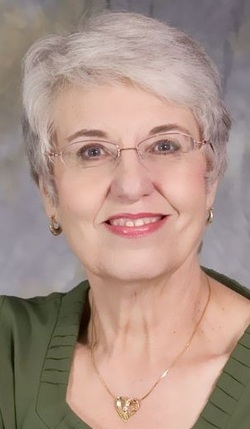
About the Author
My name is Judy Helm Wright and I live here with my husband, Dwain and our spoiled dog, Rosie. This is the chosen spot where we raised our family and have been active in the community for many years. We have six wonderful adult children and ten really wonderful grandchildren scattered all over the country.
I have written many, many books and articles and spoken all over the world about finding the heart of the story in the journey of life. However, my proudest accomplishment is that my family members like themselves and each other. We have all had our personal struggles and road blocks, but it is inspiring to see them overcome adversity, change behavior and to be open to new opportunities that come to them.
Please think of me as an approachable neighbor, or, kind and caring auntie that you have turned to for advice. "Auntie" is an honorary title given to wise women who love unconditionally.
I have been called Auntie Artichoke, the story- telling trainer, because I use stories and real experiences of success and sadness in my own life to teach others.
I am anxious to hear your story of authenticity in stepping into your own light and confidence. Please sign up for a free 15 minute coaching session at
http://www.EmpowermentWithJudy.com
You will be glad you did.
Judy Helm Wright aka Auntie Artichoke
photo credit: barbourians
My name is Judy Helm Wright and I live here with my husband, Dwain and our spoiled dog, Rosie. This is the chosen spot where we raised our family and have been active in the community for many years. We have six wonderful adult children and ten really wonderful grandchildren scattered all over the country.
I have written many, many books and articles and spoken all over the world about finding the heart of the story in the journey of life. However, my proudest accomplishment is that my family members like themselves and each other. We have all had our personal struggles and road blocks, but it is inspiring to see them overcome adversity, change behavior and to be open to new opportunities that come to them.
Please think of me as an approachable neighbor, or, kind and caring auntie that you have turned to for advice. "Auntie" is an honorary title given to wise women who love unconditionally.
I have been called Auntie Artichoke, the story- telling trainer, because I use stories and real experiences of success and sadness in my own life to teach others.
I am anxious to hear your story of authenticity in stepping into your own light and confidence. Please sign up for a free 15 minute coaching session at
http://www.EmpowermentWithJudy.com
You will be glad you did.
Judy Helm Wright aka Auntie Artichoke
photo credit: barbourians



 RSS Feed


